
About Dementia
These changes are often small to start with, but for someone with dementia they have become severe enough to affect daily life. A person with dementia may also experience changes in their mood or behaviour.
If you are concerned about yourself or a loved one, you are welcome to contact us on 01332 208845.
What is dementia and what causes it?
Dementia is caused when the brain is damaged by diseases, such as Alzheimer’s disease or a series of strokes. Alzheimer’s disease is the most common cause of dementia but not all dementia is due to Alzheimer’s. The specific symptoms that someone with dementia experiences will depend on the parts of the brain that are damaged and the disease that is causing the dementia.
Who gets dementia
There are around 900,000 people in the UK with dementia. It mainly affects people over the age of 65 (one in 14 people in this age group have dementia), and the likelihood of developing dementia increases significantly with age. However, it can affect younger people: there are at least 17,000 people in the UK who developed dementia before they were 65. It is likely that this figure has been underestimated and the real number may be up to three times higher. Dementia can affect men and women.
Scientists are investigating the ways dementia might run in the family. In a very small number of people, certain types of dementia are inherited as a single gene that causes the disease, usually before age 65. A much larger number of people will inherit a combination of genes that increases or decreases their risk of developing dementia in much less direct ways.
What causes dementia
There are many diseases that result in dementia. The most common types of dementia are outlined below:
• Alzheimer’s disease – This is the most common cause of dementia. Brain cells are surrounded by an abnormal protein and their internal structure is also damaged. In time, chemical connections between brain cells are lost and some cells die. Problems with day-to-day memory are often noticed first, but other symptoms may include difficulties with: finding the right words, solving problems, making decisions, or perceiving things in three dimensions.
• Vascular dementia – If the oxygen supply to the brain is reduced because of narrowing or blockage of blood vessels, some brain cells become damaged or die. This causes vascular dementia. The symptoms can occur either suddenly following one large stroke, or over time through a series of small strokes or damage to small blood vessels deep in the brain. The symptoms of vascular dementia vary and may overlap with those of Alzheimer’s disease. Many people have difficulties with problem-solving or planning, thinking quickly and concentrating. They may also have short periods when they get very confused.
• Mixed dementia – This is when someone has more than one type of dementia, and a mixture of symptoms. It is common for someone to have Alzheimer’s disease and vascular dementia together.
• Dementia with Lewy bodies – This type of dementia involves tiny abnormal structures (Lewy bodies) developing inside brain cells. They disrupt the brain’s chemistry and lead to the death of brain cells. Early symptoms can include fluctuating alertness, difficulties with judging distances and hallucinations. Day-to-day memory is usually affected less than in early Alzheimer’s disease. Dementia with Lewy bodies is closely related to Parkinson’s disease and often has some of the same symptoms, including difficulty with movement.
• Frontotemporal dementia (including Pick’s disease) – In frontotemporal dementia, the front and side parts of the brain are damaged over time when clumps of abnormal proteins form inside nerve cells, causing them to die. At first, changes in personality and behaviour may be the most obvious signs. Depending on where the damage is, the person may have difficulties with fluent speech or may forget the meaning of words or objects.
The symptoms of these types of dementia are often different in the early stages but become more similar in the later stages. This is because more of the brain becomes affected as the different diseases progress.
In the later stages of dementia, the person will need more and more support to carry out everyday tasks. However, many people with dementia maintain their independence and live well for years after their diagnosis. Information, advice and support are available for the person and their carer to help them live well with dementia.
Rarer causes of dementia
There are many other diseases that can lead to dementia. These are rare: together they account for only about five per cent of all dementia. They tend to be more common among younger people with dementia (under the age of 65).
These rarer causes include alcohol-related brain damage (including Korsakoff’s syndrome), corticobasal degeneration, progressive supranuclear palsy, HIV infection, Niemann-Pick disease type C, and Creutzfeldt-Jakob disease (CJD).
Some people with Parkinson’s disease or Huntington’s disease develop dementia as the illness gets worse. People with Down’s syndrome are also at a particular risk of developing Alzheimer’s disease as they get older.
Mild cognitive impairment
Some people have problems with their memory or thinking but these are not severe enough to interfere with everyday life. In this case, a doctor may diagnose mild cognitive impairment (MCI). Research shows that people with MCI have an increased risk of developing dementia; about 10–15 per cent of this group will develop dementia each year.
However, MCI can also be caused by other conditions such as anxiety, depression, physical illness and side effects of medication. Because of this, some people with MCI do not go on to develop dementia, and a small number of people will even get better.
What is dementia video
If you are unable to see (below) the Alzheimer’s Society video clip ‘What is Dementia’, you may need to change your ‘cookie settings’.
How can I tell if I might have dementia?
What are the symptoms?
How can I tell if I have dementia?
Becoming a bit more forgetful does not necessarily mean that you have dementia. Many people notice that their memory becomes a bit less reliable as they get older – for example they might forget someone’s name. Memory loss can also be a sign of stress, depression or certain physical illnesses. However, anyone who is worried that their memory is getting noticeably worse, or who has other symptoms such as those listed above, should discuss their concerns with the GP. Scientists are investigating the ways dementia might run in the family. In a very small number of people, certain types of dementia are inherited as a single gene that causes the disease, usually before age 65. A much larger number of people will inherit a combination of genes that increases or decreases their risk of developing dementia in much less direct ways. You might be interested in Alzheimer’s Society’s symptom checklist.
Symptoms
Each person is unique and will experience dementia in their own way. The different types of dementia tend to affect people differently, especially in the early stages. How others respond to the person, and how supportive or enabling the person’s surroundings are, also greatly affect how well someone can live with dementia.
A person with dementia will have cognitive symptoms (problems with thinking or memory). They will often have problems with some of the following:
- day-to-day memory − difficulty recalling events that happened recently.
- concentrating, planning or organising − difficulties making decisions, solving problems or carrying out a sequence of tasks (eg cooking a meal).
- language – difficulties following a conversation or finding the right word for something.
- visuospatial skills – problems judging distances (eg on stairs) and seeing objects in three dimensions
- orientation – losing track of the day or date, or becoming confused about where they are.
As well as these cognitive symptoms, a person with dementia will often have changes in their mood. For example, they may become frustrated or irritable, withdrawn, anxious, easily upset or unusually sad.
With some types of dementia, the person may see things that are not really there (visual hallucinations) or believe things that are not true (delusions).
Dementia is progressive, which means the symptoms gradually get worse over time. How quickly dementia progresses varies greatly from person to person.
As dementia progresses, the person may develop behaviours that seem unusual or out of character. These behaviours may include repetitive questioning, pacing, disturbed sleep patterns or agitation. They can be distressing or challenging for the person and their carer.
A person with dementia, especially in the later stages, may have physical symptoms such as muscle weakness or weight loss. Changes in sleep pattern and appetite are also common.
Why is it important to get a diagnosis?
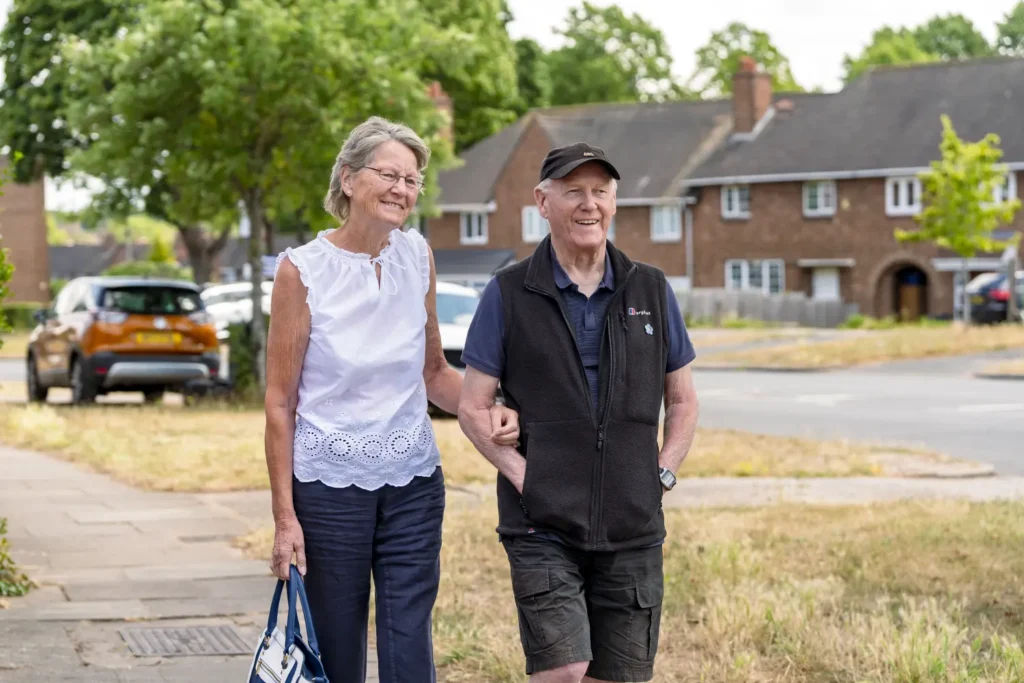
Why get a diagnosis
A proper diagnosis of dementia is essential, in order to:
- rule out other conditions that may have symptoms similar to dementia and that may be treatable, including depression, chest and urinary infections, severe constipation, vitamin and thyroid deficiencies and brain tumours
- rule out other possible causes of confusion, such as poor sight or hearing; emotional changes and upsets, such as moving or bereavement; or the side-effects of certain drugs or combinations of drugs
- access advice, information & support (emotional, practical and financial) from social services, voluntary agencies and support
- allow the person with dementia to plan and make arrangements for the future.
As drugs for treating different conditions become available, it is becoming increasingly important to identify which type of dementia the person has. For example, drugs are already available to treat some people with Alzheimer’s disease and some people with dementia with Lewy bodies, but these drugs are ineffective in the treatment of Pick’s disease (another form of dementia), and may actually worsen symptoms.
What are the steps to getting a diagnosis?
Diagnosing dementia
It is very important to get a proper assessment of problems with memory or thinking. They may be caused by a treatable condition such as depression or an infection, rather than dementia.
If the cause is dementia, a diagnosis has many benefits. It provides someone with an explanation for their symptoms, gives access to treatment, advice and support, and allows them to prepare for the future and plan ahead. Knowing the type of dementia (eg Alzheimer’s disease, vascular dementia) may allow appropriate drug treatments to be offered.
Dementia will usually be diagnosed by a specialist doctor such as a psychiatrist (a mental health specialist), a geriatrician (a doctor specialising in the physical health of older people) or a neurologist (someone who concentrates on diseases of the nervous system). Occasionally a GP or specialist nurse will make the diagnosis, depending on their expertise and training.
There is no single test for dementia. A diagnosis is based on a combination of things:
• taking a ’history’ – by the doctor talking to the person and someone who knows them well about how their problems developed and how they are now affecting their daily life
• cognitive tests of mental abilities (eg memory, thinking) – simpler tests will be carried out by a nurse or doctor, more specialist tests by a psychologist
• physical examination and tests (eg blood tests) – to exclude other possible causes of the symptoms
• a scan of the brain – if this is needed to make the diagnosis.
A common pattern is for the GP to make an initial assessment and then refer the person to a memory clinic or other specialist service for more detailed assessment. A specialist doctor will have more expertise in dementia and will be able to arrange more detailed tests and brain scans if needed. The diagnosis should be communicated clearly to the person and usually also those closest to them, along with a discussion about the next steps.
Tips: getting the most from a consultation
Whether you are attending the appointment for yourself or for someone you are supporting, it may be useful to do the following:
- Write down any questions or worrying signs beforehand to ask the GP or specialist. It can be difficult to remember everything you want to say during a consultation.
- Write down any important points the doctor makes during the consultation.
- Ask a doctor, or any other professional, to explain words or phrases if you do not understand.
- Ask a doctor to write down any medical terms, particularly if English is not your first language.
Making a diagnosis
Making a diagnosis of dementia is often difficult − particularly in the early stages. A definite diagnosis of the cause may only be confirmed after death, at post mortem or, in very rare instances, through a brain biopsy. The time it takes to make a diagnosis can vary. If scans and other investigations are required, it could be several weeks, depending on waiting lists. If the person is in the early stages of dementia, a 6-12 month period of monitoring may be required before a diagnosis can be made.
We can provide advice for things like benefits and activities of daily living right through to understanding behaviours and the progression of dementia. Whatever your questions we are here to support you and work with you to achieve your desired outcomes.
Please visit Alzheimer’s Society website, where there is information on the different types of dementia, and various aspects of living with or caring for someone who’s living with the symptoms of dementia.
Step 1: Assessment by a GP
If you are concerned that you, or someone you are close to, may have dementia, the first person to consult is the GP. You may see the GP in their surgery or they may prefer to make a home visit. If dementia is suspected, it is often easier to assess and observe the person’s behaviour in the home. It then becomes clearer exactly what the problems are. The GP will assess the person through:
- Analysis of background information − You can expect the GP to spend some time talking to you and (if you are simply accompanying someone) the person you are concerned about, to try to establish some of the symptoms. The GP will look at the person’s medical history and that of other family members.
- Physical examinations and tests − The GP will normally carry out a physical examination and may perform a number of tests, such as blood and urine tests, to identify other conditions that may be causing confusion.
- Mental tests − The GP may ask a series of questions designed to test thinking and memory.
The GP will have access to some services, such as community nursing. If there is a probable diagnosis of dementia, or the person is having trouble managing, the GP can refer them to the social services.
At the end of the assessment, the GP should communicate their findings in an appropriate way and discuss what action needs to be taken. They may feel able to make a diagnosis, or they may wish for further assessment to make sure. In some cases they may want to refer the person to a memory clinic or other specialist service for a fuller assessment.
Step 2: Referral to a specialist
The GP is the usual person to make a referral to a specialist. If you feel that a referral would be helpful and the GP does not suggest it, do press for it. You are entitled to ask for a referral to a memory clinic or other specialist service for a second opinion or for support, and access to services that such a referral may give. A consultant will have more specialised knowledge and experience of dementia than the GP, and will have access to more specialised investigations, such as brain scans and memory testing.
Your GP will make the referral to a consultant in a particular specialty. The specialty may depend on the age of the person concerned, their symptoms and what is available in your particular area. The main types of consultant are as follows:
- Neurologists specialise in disorders of the brain and nerve pathways. Some neurologists have particular experience in diagnosing dementia.
- Specialists in medicine for older people (sometimes called geriatricians) specialise in the physical illnesses and disabilities associated with old age and in the care of older people. If the person being diagnosed has reached retirement age they may be referred to one of these specialists to see whether their symptoms are due to a physical illness, or to find out whether they are suffering from a physical illness as well as dementia.
- General adult psychiatrists specialise in diagnosing and treating a wide range of mental health problems. A younger person may be referred to a psychiatrist to assist in the diagnosis.
- Old age psychiatrists are psychiatrists who have further specialised in the mental health problems of older people, including dementia. They may sometimes also offer support to younger people with dementia.
The consultant usually works within a specialist team − alongside a number of fully qualified doctors at various stages of further training in that particular speciality. Although you may not always see the consultant in person, he or she is ultimately responsible for your case and will discuss it with the doctor concerned. The consultant also usually works with other professionals, including nurses, psychologists, occupational therapists and social workers. Each of these members contributes their own knowledge, skills and advice to the team.
Step 3: Assessment
Assessment may take place in the home, in an outpatients department, in a day hospital over several weeks or, very occasionally, as a hospital inpatient. The specialist will carry out their assessment through:
- Analysis of background information − As with the GP, an assessment is likely to include time spent talking to the person being diagnosed and those close to them.
- Physical examinations and tests − A physical examination and/or tests will be undertaken, if they have not already been carried out by the GP.
- Memory assessment – The person being diagnosed may see a clinical psychologist or neuropsychologist for a more detailed assessment of memory and other thinking processes. This consists of a range of ‘pen and paper’ type tests and questions that will look at things like memory, verbal and non-verbal abilities. These tests can be very good at helping to decide the type of problem a person may have, particularly in the early stages. The assessment can be used as a baseline to measure any changes over time which can also help with making a diagnosis.
- Scans − The person might be given a brain scan. A brain scan can identify conditions such as strokes, brain tumour and hydrocephalus (a build-up of fluid inside the brain). There are several types of brain scan:
− CT or CAT (computerised axial tomography) scans are a way of taking pictures of the brain using X-rays and a computer
− MRI (magnetic resonance imaging) scans also use a computer to create an image of the brain but, instead of X-rays, they use radio signals produced by the body in response to the effects of a very strong magnet contained within the scanner.
−SPECT (single photon emission computerised tomography) scans look at the blood flow through the brain, rather than at the structure of the brain.
After the assessment, the consultant will send a report to the GP. CT and MRI scans may show brain shrinkage (atrophy), while SPECT and PET scans show areas of loss of function. Memory tests can also show problems in particular areas. The pattern of these changes helps to diagnose the cause of the dementia. A scan that shows no unexpected changes in the brain does not rule out conditions such as Alzheimer’s disease because in the early stages of the disease the changes can be difficult to distinguish from normal ageing. The consultant may discuss their findings or may refer the person back to the GP for this information. In some cases the consultant may wish to see the person again after some months to observe any changes before making a diagnosis.
Step 4: Explaining the diagnosis
Doctors may differ in their views on what to tell their patients about a diagnosis of dementia. The person with dementia has the right to be told their diagnosis − particularly if this gives them the opportunity to put their affairs in order. However, in some circumstances a professional may feel that:
- they should only offer the diagnosis of dementia if the patient asks, or seems to want to know
- the knowledge that they have dementia will be too much for the person to cope with
- it is better to use a term such as ‘memory problems’ if this may be more easily understood or seems more appropriate.
Most doctors will inform those close to the person concerned of the diagnosis of dementia or possible dementia. In some cases it may be left to the relatives or friends to decide whether to tell the person that they have dementia. This will depend on the kind of relationship they have with the person, and what they feel the person would want to know.
If you feel that the doctor is avoiding the issue, don’t hesitate to ask for an explanation.
Step 5: Ongoing assessment
Once the diagnosis is confirmed, the GP should arrange to see the person with dementia from time to time to assess changes and discuss any problems. He or she may refer the person with dementia to a specialist for help in assessing changes, and for advice on ways to deal with specific difficulties. The GP is also responsible for the general health of the person with dementia.
The GP and a hospital specialist will usually jointly prescribe any treatment for dementia. The arrangement will depend upon the person’s situation, where they live, and what medication they are already taking.
If you or someone you are close to is diagnosed with dementia, don’t be afraid to seek help from your GP or local Support Groups, if you feel you need it.
Treatments and support
How is dementia treated
The vast majority of causes of dementia cannot be cured, although research is continuing into developing drugs, vaccines and other medical treatments. There is also a lot that can be done to enable someone with dementia to live well with the condition. Care and support should be ‘person-centred’, valuing the person as a unique individual.
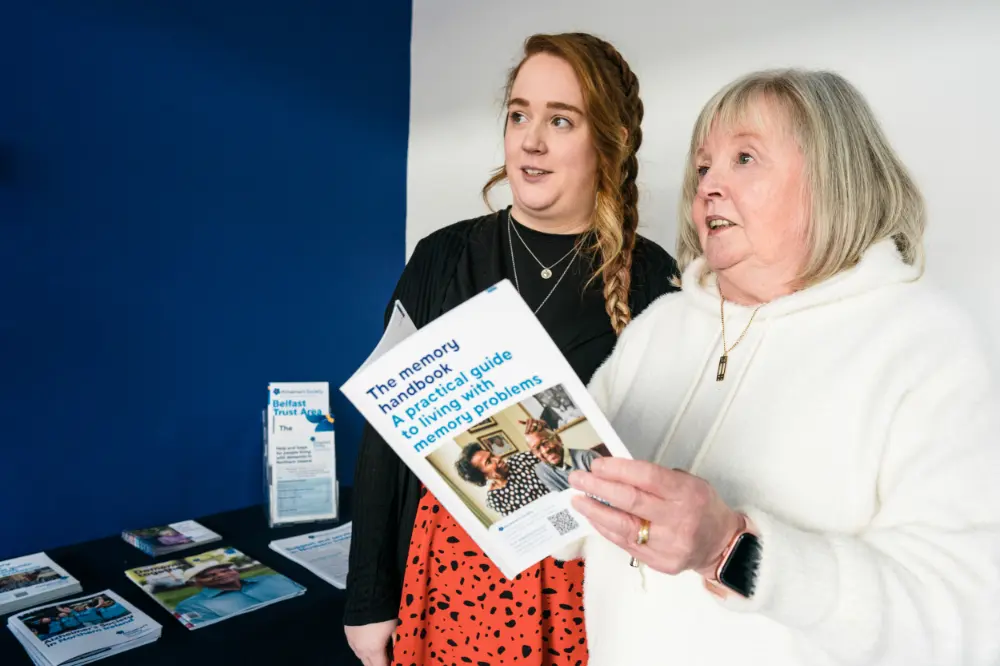
Non drug treatments and support
A range of support, therapies and activities that don’t require medication can help someone to live well with dementia. The GP, memory service or local Alzheimer’s Society should be able to advise on what is available.
Support for the person and their carer after a diagnosis should give them a chance to talk things over with a specialist, ask questions about the diagnosis, and think about the future. Information should be given on where to get help if needed in the future and how to stay physically and mentally well.
Talking therapies, such as counselling, can help someone come to terms with their diagnosis. Another treatment called cognitive behavioural therapy (CBT) may be offered to help with depression or anxiety.
Cognitive rehabilitation can enable an individual to retain mental skills and raise their confidence. There is also lots that can be done at home to help someone with dementia remain independent and live well with memory loss. Support ranges from devices such as pill boxes or calendar clocks to practical tips on how to develop routines or break tasks into simpler steps.
Activities that help to keep the mind active, such as cognitive stimulation, are popular. As the condition progresses, many people with dementia enjoy reminiscence and life story work (in which the person is encouraged to share their life experiences and memories). Such activities may help improve someone’s mental abilities, mood and wellbeing.
It is vital that people with dementia stay as active as they can – physically, mentally and socially. Everyone needs meaningful activities that they enjoy doing and which bring confidence and self-esteem.
Drug Treatments
There are drugs that can help to improve the symptoms of dementia or that, in some cases, may stop them progressing for a while.
A person with mild to moderate Alzheimer’s disease or mixed dementia may be prescribed donepezil (often known by the brand name Aricept), rivastigmine (eg Exelon) or galantamine (eg Reminyl). These may temporarily relieve memory problems and improve alertness, level of interest and daily living. In the moderate or severe stages of Alzheimer’s disease someone may be offered memantine (eg Ebixa). This may help with mental abilities and daily living, and ease distressing or challenging behaviours and delusions.
Donepezil, rivastigmine and galantamine can be helpful for someone with dementia with Lewy bodies who has distressing hallucinations or delusions, or who has behaviours that challenge.
For a person with vascular dementia, drugs will be offered to treat the underlying conditions. These conditions often include high blood pressure, high cholesterol, diabetes or heart problems. Controlling these may help slow the progression of dementia.
A wide range of other drugs may be prescribed at different times for a person with dementia. These include drugs for depression or anxiety, sleeping tablets or antipsychotics. Note that some of these drugs can have severe side effects. Not all are recommended for all types of dementia. Health professionals will generally advise that a non-drug approach is tried first before prescribing medication.
Can dementia be prevented?
What are my risks and can I reduce them?
It is not usually possible to say for sure why a particular person has developed dementia. It is known that high blood pressure, lack of physical exercise and smoking – all of which lead to narrowing of the arteries – increase the risk of developing Alzheimer’s disease and vascular dementia. There is evidence that a healthy lifestyle, especially in mid-life, can help reduce the risk of dementia. Regular physical exercise (eg cycling, brisk walking), maintaining a healthy weight, not smoking, and drinking only in moderation are all linked to a reduced risk of dementia.
It is important that conditions such as diabetes, heart problems, high blood pressure and high cholesterol are all kept under control. Getting depression treated early is also important.
A balanced diet may help to reduce risk. A balanced diet is one which is low in saturated fat, does not have too much salt, dairy or meat, and includes plenty of fish and fresh fruit and vegetables.
All these healthy lifestyle choices will also reduce the risk of other serious conditions such as stroke, heart disease and cancer.
It also seems that keeping socially and mentally active in the later years may help lower the risk of dementia. Being socially active could include visiting friends or going to a place of worship, while being mentally active could include doing puzzles or reading.
Alzheimer's Society support in Derby City and Derbyshire County
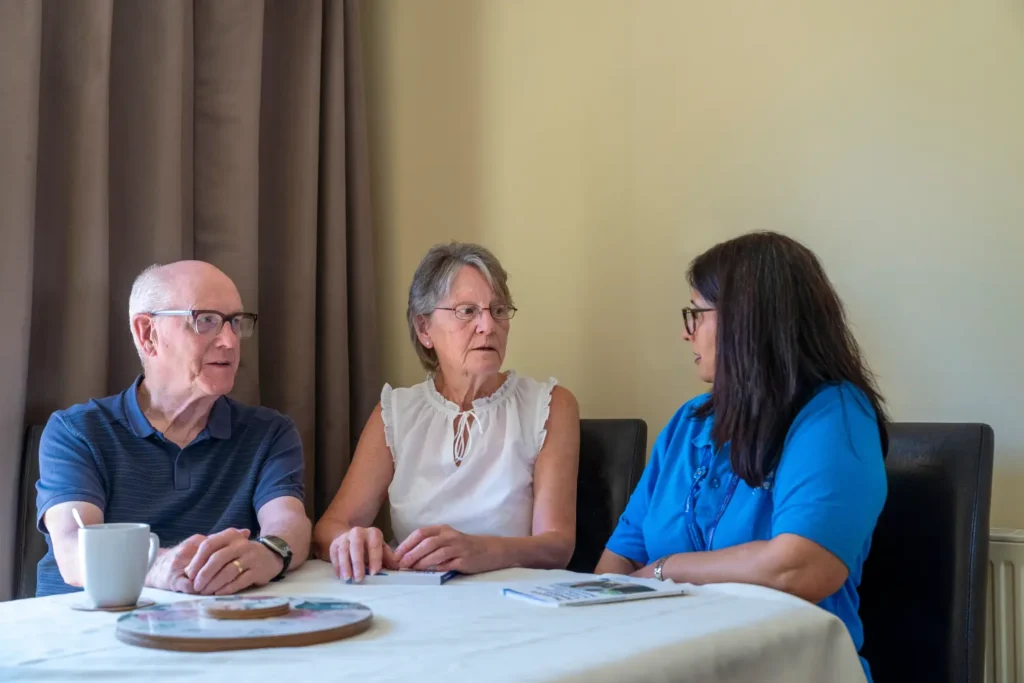
If you, a friend or relative, have been diagnosed with dementia, you may be feeling anxious and confused. Here at the Alzheimer’s Society we provide a range of support services for people living with dementia, their families and carers in Derby City and Derbyshire.
For more details of Alzheimer’s Society services in the Derby City area, please contact us on 01332 497640 or email derbycitydementiasupport@alzheimers.org.uk
For more details of Alzheimer’s Society services in the Derbyshire area, please contact us on 01332 208845 or email derbyshire@alzheimers.org.uk
For information about a wide range of dementia-related topics, visit https://www.alzheimers.org.uk
For a list of other support services available in Derbyshire and useful resource links, go to our Other Local Support tab or click here.
Other useful links: